I did not discover Paranormal Women’s Fiction (PWF) by accident. I found it because I had already read hundreds, if not thousands, of paranormal and fantasy books, and I started to notice a pattern I could not ignore. The heroines stayed young. Very young. Teenagers saving the world. Women in their early twenties discovering destiny, power, and lifelong love all at once. The stories were entertaining, but the perspective stayed narrow.
When I first started seeing PWF mentioned in author newsletters, I felt an immediate spark of recognition. I honestly wish I could remember which author introduced me to it first, but I am on the mailing lists of at least half of the Fab 13, so that detail has blurred over time. What has not faded is how excited I felt in that moment, because it finally sounded like someone had named the thing I had been quietly searching for.
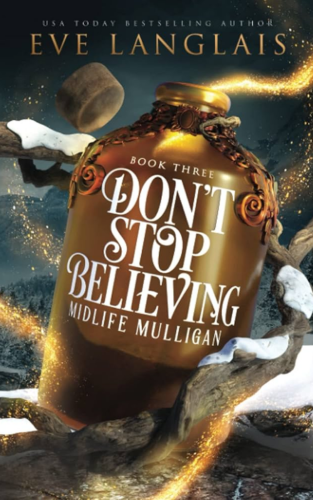
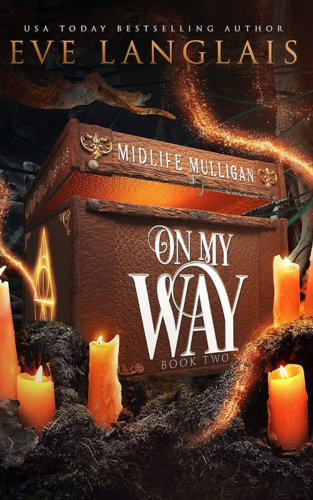
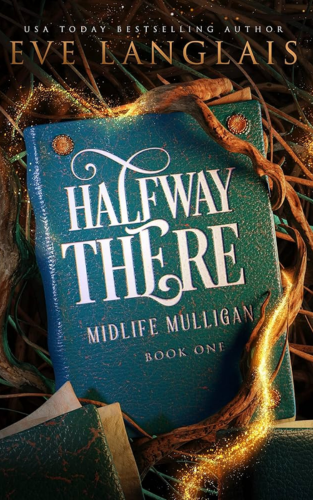
The first books I picked up confirmed that feeling almost immediately. Eve Langlais’s Midlife Mulligan, Robyn Peterman’s Good to the Last Death, Kristen Painter’s First Fangs Club, and Michelle M. Pillow’s Order of Magic all delivered stories that felt confident in their premise and comfortable with their heroines. I loved them. Not because the women were older, but because they felt real. Since then, the concept, availability, and quality of PWF have only improved.
How Paranormal Women’s Fiction Came to Be
PWF did not appear because a publisher decided the market needed a new label. It came into existence because a group of working authors noticed a gap they could no longer ignore. Paranormal and urban fantasy shelves filled with teenage heroines and women barely out of college, all discovering power, destiny, and lifelong love at roughly the same stage of life. Those stories worked, but they told a very narrow version of what adventure looked like.
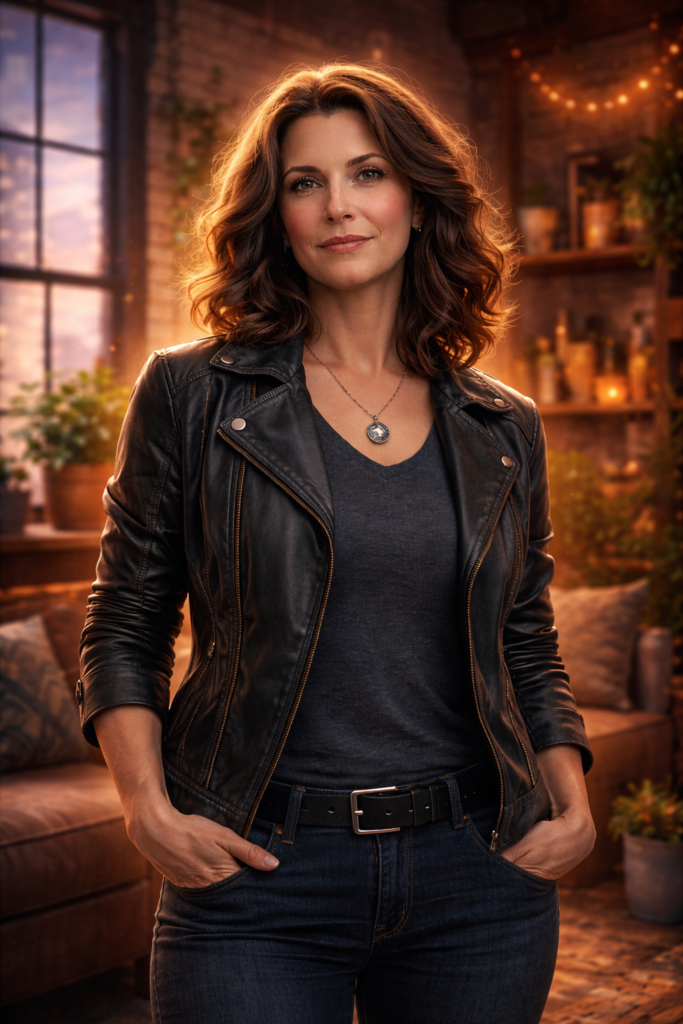
The authors who helped define PWF wanted something else. They wanted stories about women who already lived full lives before magic arrived. Women who had careers, marriages, divorces, children, grief, and long stretches of ordinary survival behind them. Instead of treating midlife as a decline, these books treated it as a pivot point, a moment where experience finally became an advantage instead of a limitation.
Rather than waiting for the industry to catch up, these authors banded together and named the space themselves. A group referred to as the Fab 13 helped shape the identity of PWF by openly claiming older heroines as worthy of center stage. They created a shared website to define the genre, recommend books, and make discovery easier for readers who were tired of digging through shelves that were not built with them in mind.
This was writers solving a problem they personally felt, and it shows. PWF did not grow out of trend chasing or marketing language. It grew out of shared frustration and a clear decision to fix it together, which is why the genre still feels intentional, reader aware, and grounded in community rather than novelty.
Why These Stories Hit Differently
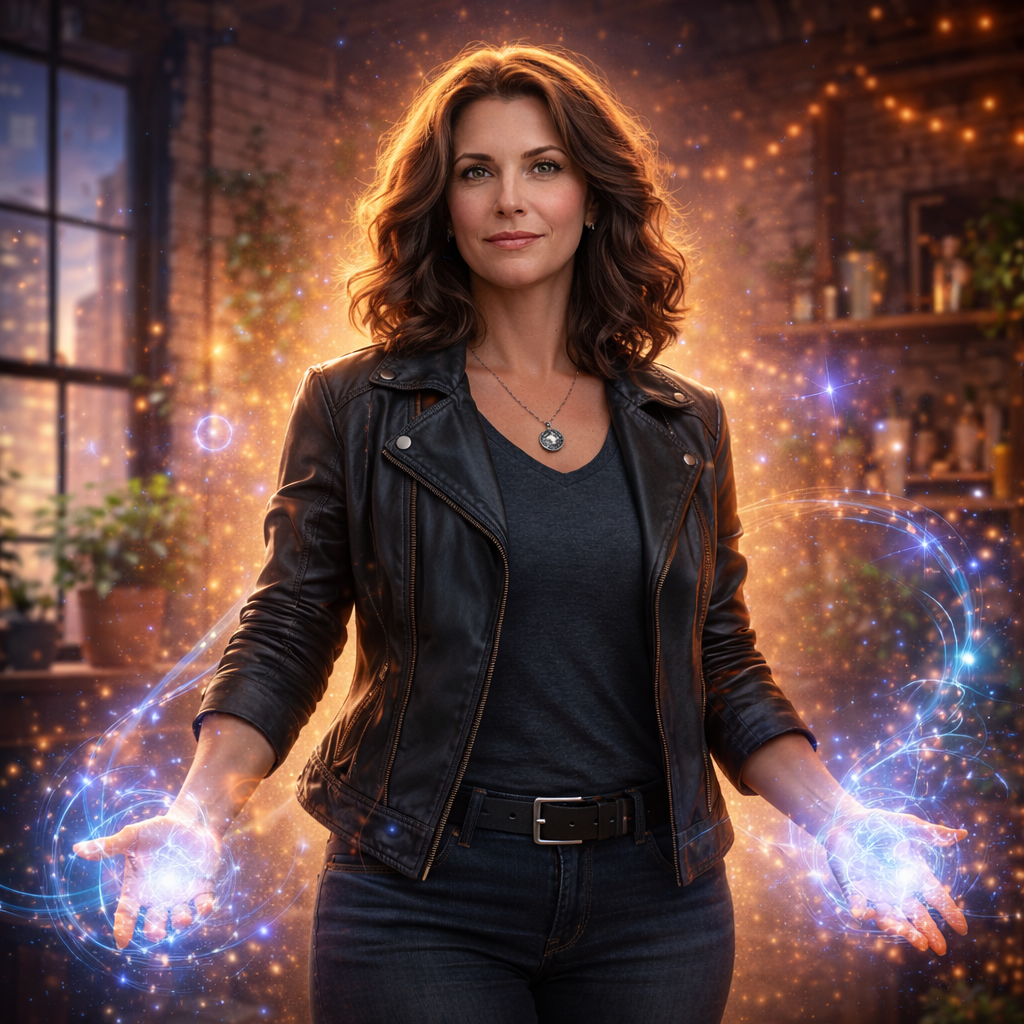
Paranormal Women’s Fiction lands differently because it does not ask the heroine to become someone new before the story can begin. These women already know themselves, even if they feel restless, bored, tired, or quietly dissatisfied. When magic shows up, it does not replace their identity. It collides with it.
Life experience changes the stakes. A forty or fifty something heroine does not panic the same way a teenager does, and she does not romanticize danger in quite the same way either. Instead, she approaches problems with an awareness of consequences and context shaped by everything she has already lived through. Because she has survived challenges that had nothing to do with magic, the supernatural has to earn its place in her life rather than sweeping it aside.
The emotional arc shifts as a result. Instead of watching someone discover who they are for the first time, the reader watches a woman renegotiate who she gets to be next. Power feels layered rather than explosive. Confidence comes from accumulated survival instead of sudden destiny, and mistakes land harder because the heroine understands exactly what they cost.
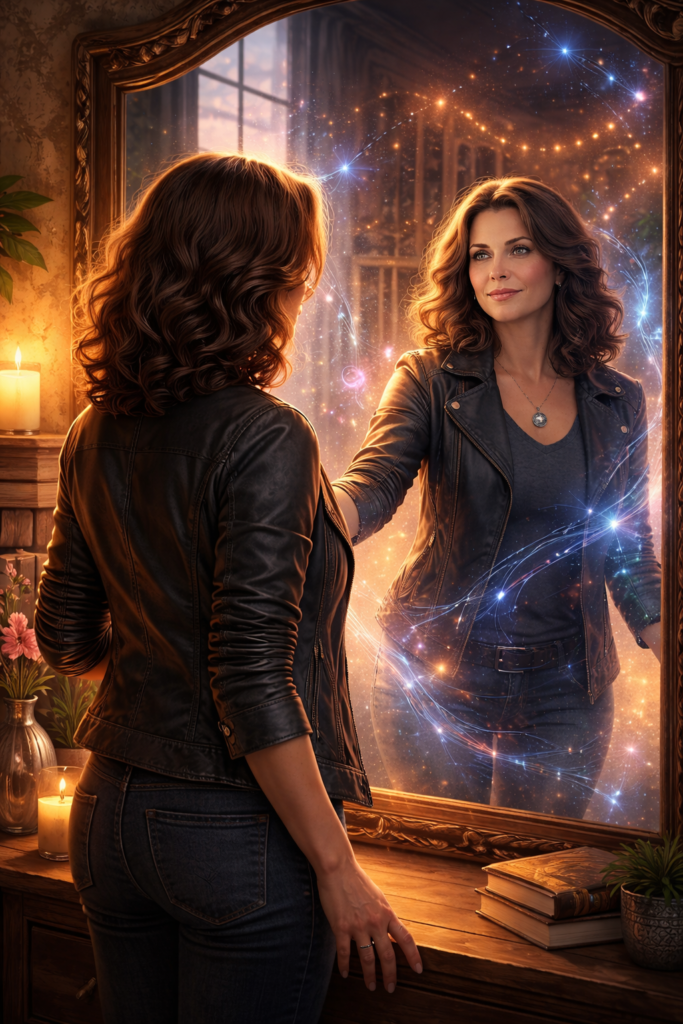
That shift matters to me because I gravitate toward stories that challenge the roles and timelines women get quietly funneled into. I love narratives that push back against the idea that life must follow a rigid sequence of graduating high school, going straight to college, marrying young, having babies immediately, and settling into a version of adulthood that leaves little room for exploration or self definition. Too many women are expected to make permanent choices before they have had the chance to learn who they are, what they want, or how big their world could be. PWF opens that space back up. It reminds women that growth does not expire and that reinvention does not require apology.
That perspective also shapes how romance functions in these stories. Love does not arrive as a solution or a reset button. It enters a life already in motion, with existing responsibilities, relationships, and limits. When connection works in these stories, it adds depth instead of erasing the woman at the center of it.
My Early Entry Point Into the Genre
I came to Paranormal Women’s Fiction at exactly the right moment as a reader. I already loved paranormal and urban fantasy, but I felt increasingly aware of how often those stories centered the same narrow slice of womanhood. Seeing this genre named and claimed felt like relief rather than novelty.
Some of my earliest reads in the genre set the bar immediately. Midlife Mulligan leaned into the idea that a reset does not mean starting from nothing, and it did so with humor and momentum that made the premise feel joyful instead of desperate. Good to the Last Death brought a self aware voice that acknowledged how strange and inconvenient magic can be when it crashes into an already established life. First Fangs Club emphasized community and reinvention in a way that felt grounded rather than performative. Order of Magic balanced competence, romance, and supernatural chaos without treating the heroine like a blank slate.
What struck me most was not simply that these women were older. It was how fully formed they felt on the page. Their reactions made sense, their boundaries felt earned, and the humor came from lived perspective rather than immaturity. Even when the plots went big and strange, the emotional core stayed anchored in lived experience.
Those early books made it clear that this genre was not a novelty concept or a short lived experiment. The stories worked because the heroines worked. Since then, PWF has only grown stronger, with better visibility, wider range, and a deeper bench of authors who understand exactly why these stories resonate.
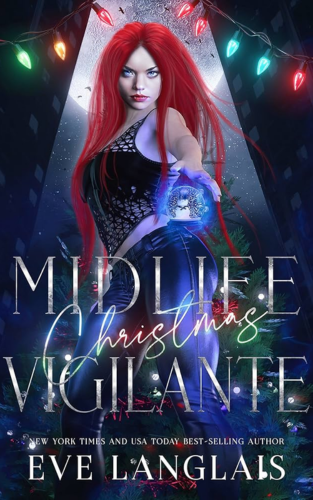
PWF Books I’ve Reviewed So Far…
What Paranormal Women’s Fiction Does Especially Well
PWF excels at letting women arrive on the page already competent. These heroines do not need a prophecy to justify their existence, and they do not stumble through the plot waiting for someone else to explain the rules. They assess situations, make decisions, and adapt when things go sideways because they already know how to survive.
The genre handles relationships with a steadier hand as well. Romance appears as part of a larger life instead of replacing it. Love interests enter stories where careers, friendships, family ties, and personal boundaries already exist, which means connection has to fit rather than overwrite. When relationships work, they feel chosen and negotiated, not inevitable or consuming.
Humor plays an important role here. Many of these stories allow the heroine to notice how ridiculous things can get, especially when magic collides with everyday responsibilities. The humor comes from perspective rather than naivety, and it often sharpens the stakes instead of softening them.
Community also matters in a way that feels realistic. Friends, neighbors, coworkers, and found family do not disappear once a romantic plot kicks in. Support systems grow over time, sometimes awkwardly and sometimes imperfectly, which mirrors real adult relationships and gives the story room to breathe beyond a single pairing.
Most of all, PWF respects the idea that growth does not require erasure. These stories do not ask women to abandon who they were in order to become powerful. They allow power to build on top of experience, mistakes, and hard won self knowledge.
Why the Genre Keeps Getting Better
Paranormal Women’s Fiction was never about inventing books with forty plus heroines. Those stories already existed. The problem was that they were scattered, mislabeled, and often buried inside broader genres where they were difficult to find on purpose.
By naming the space, authors made discovery easier without narrowing the stories themselves. Readers no longer had to dig through shelves dominated by new adult narratives to stumble across a heroine with real life behind her. Instead, the genre created a way to group these books together so readers could seek them out intentionally.
As that clarity settled in, the range within the genre widened. Some books lean cozy and humorous, others skew darker or more action driven, and many blend romance, mystery, and supernatural elements with confidence. The common thread remains perspective rather than plot.
The overall quality has strengthened as well. Editing feels more consistent, series continuity receives more care, and authors trust their readers to keep up without overexplaining. The genre no longer reads like it is asking for permission to exist. It reads like a space that understands its audience and writes accordingly.
Why I Will Always Make Space for This Genre
I will always make space for Paranormal Women’s Fiction because it respects where I am as a reader. These stories do not talk down to me or ask me to pretend that life resets every decade. They understand that experience changes how danger feels, how love works, and how power settles into a person.
There is something deeply reassuring about reading stories that refuse to frame midlife as a narrative dead end. These books treat this stage of life as fertile ground rather than aftermath. The heroines still grow, still change, and still make mistakes, but they do so with a sense of self that feels recognizable and earned.
PWF reminds me that adventure does not belong to a single age bracket. Curiosity, desire, courage, and reinvention remain available for as long as someone is willing to reach for them. I keep returning to this genre because it reflects a version of possibility that does not erase the past in order to imagine the future.
Leave a Reply