
How My Relationship With Buying Books Changed
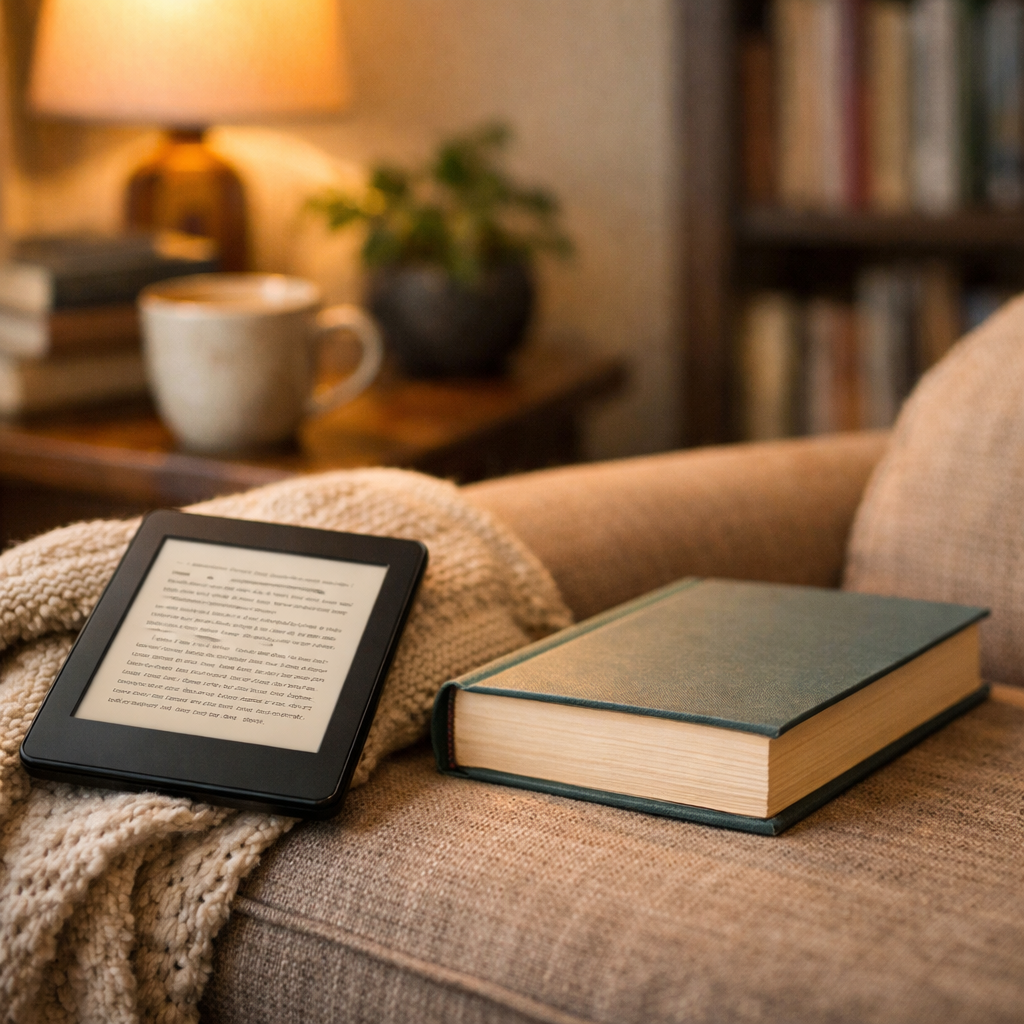
For most of my reading life, buying a book meant holding it in my hands. Shelves filled slowly at first, then faster than I expected, until space became part of the equation. Physical books felt permanent in a way digital files did not, at least in the beginning. Owning a book meant it moved with me, waited on a shelf, and stayed available whenever I felt like returning to it.
Technology changed that relationship gradually. My reading habits shifted alongside travel, portability, and the reality that I read far more books than I could reasonably store. I resisted ebooks longer than most people I knew, but eventually convenience won. Over time I realized that no single format actually solved every problem I had as a reader. Each format handled something different, and my reading life became easier once I stopped expecting one solution to do everything.
Now that I’ve given up my library dream, I buy mostly digital books, a few physical books, and often use subscription services. I do not treat them as competitors. Each one fills a different role depending on what I want from the reading experience at that moment.
Digital Books: Convenience and Control
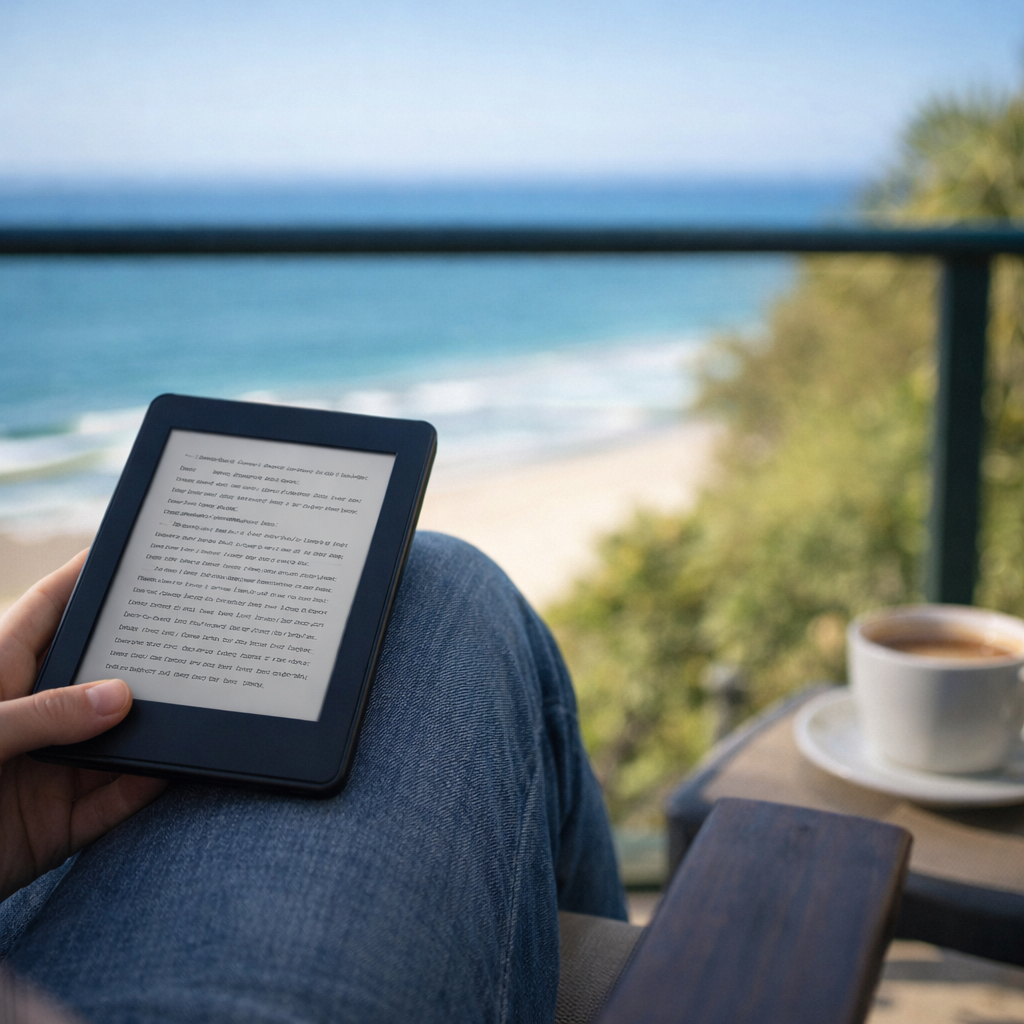
Digital books solved practical problems almost immediately. Carrying one device instead of several novels made travel easier, and instant delivery meant I never found myself without something to read. Adjusting font size and lighting made long reading sessions more comfortable, especially at night. What began as a compromise eventually became my default for everyday reading.
The limitations took longer to notice. Buying an ebook rarely means owning it outright, and access depends on retailer ecosystems and licensing agreements that exist outside my control. Once I understood that, I started organizing my library independently, which led me to Calibre. I use it as a personal library system rather than a technical tool, allowing me to organize and maintain my collection in ways retailer apps never quite allow.
Digital books give me flexibility and volume, but they also made me more conscious of how easily access can change. That awareness shaped how I decide what to buy and where I buy it, without turning reading itself into a technical exercise.
Physical Books: Objects That Earn Their Place
Physical books never disappeared from my life. Their role simply changed. Instead of buying everything in print, I started reserving physical copies for books I knew I wanted to keep. Special editions, beautifully produced hardcovers, and favorite rereads feel different when they exist as objects rather than files.
I still value the permanence of a physical book. A printed copy does not depend on a platform or an account remaining active. It exists independently, and that independence still carries emotional weight for me. At the same time, physical collections require space and maintenance, and my lifestyle no longer supports owning everything in print. Choosing physical books intentionally made the ones I keep feel more meaningful.

Subscriptions: Discovery Without Commitment
Subscription services like Kobo+ and Kindle Unlimited changed how easily I experiment with new authors and series. Trying something unfamiliar feels easier when I do not need to commit to buying every book individually. For periods when I read heavily within one genre, subscriptions can make financial sense.
Over time I settled into a simple approach that works for me. I buy the books I know I want to keep, especially favorites and rereads, and I use subscriptions to explore everything else. That balance lets me support authors directly when a story earns a permanent place in my library, while still leaving room for curiosity and experimentation.
I also accept the limits that come with that model. Books rotate in and out of availability, and nothing remains once the subscription ends. Treating subscriptions as discovery rather than ownership keeps expectations clear and prevents frustration later.
Why I Do Not Pick Just One
My reading habits change depending on mood, budget, and circumstance. Some books deserve a permanent place in my collection, while others exist for a single reading experience. Digital purchases handle volume and convenience, physical books mark favorites, and subscriptions allow curiosity without pressure.
Calibre sits quietly underneath that system for me. It allows me to treat my digital books like a real library instead of a scattered set of purchases tied to individual retailers. That structure keeps control with me while still allowing the convenience that made ebooks appealing in the first place.
No format wins outright in my experience. The best solution ended up being a mix, shaped by how I actually read rather than how I thought I was supposed to read.
My shelves no longer define my reading life, and neither does any single device or service. What matters is access, flexibility, and the freedom to read what I want when I want it. Buying, borrowing, and subscribing all serve that purpose in different ways. Once I stopped treating them as competing choices, reading became simpler again.
Leave a Reply