Book Reviews
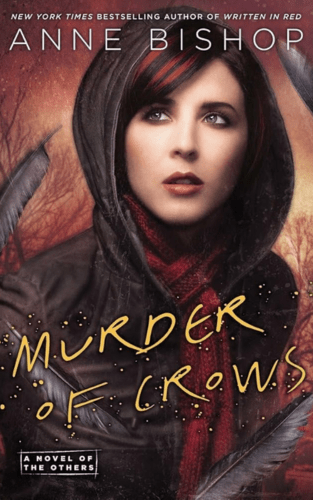
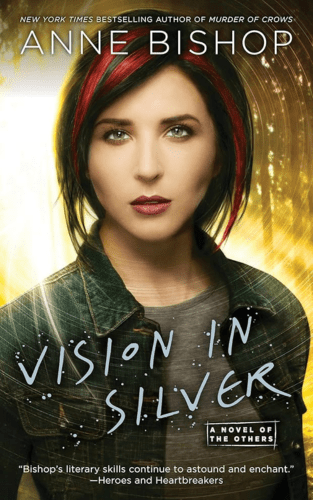
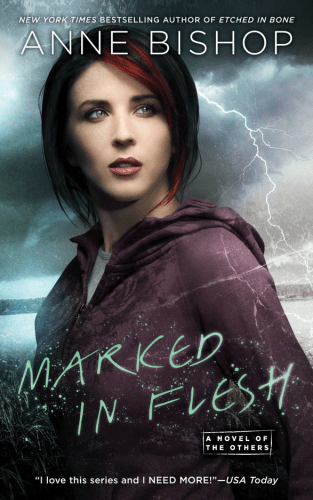
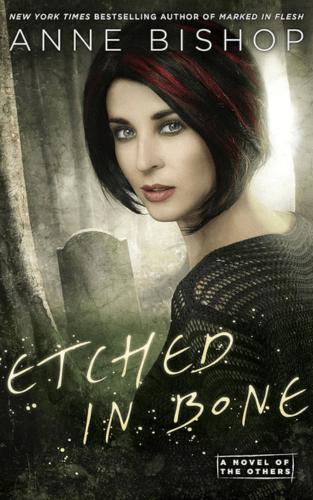
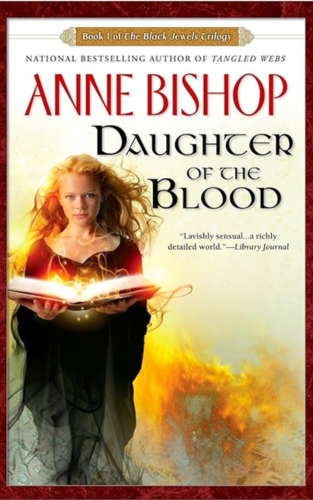
Feminine power. Sacred rage. Survival as strength.
Anne Bishop writes about women who are not meant to be owned, softened, or made palatable.
Her worlds are brutal, her power structures are ruthless, and her heroines are forged in fire. These are not stories about being chosen. They are stories about enduring, resisting, reclaiming, and becoming.
If you are looking for pretty magic, light romance, or easy empowerment, this is not your author.
If you are looking for feminine power that is terrifying to oppressive systems, healing that is hard earned, and women who refuse to disappear, Anne Bishop belongs on your shelf.
What Anne Bishop Is Known For
Anne Bishop is best known for creating dark, emotionally intense fantasy worlds where power is real, trauma has consequences, and recovery is not optional.
Her most well known series include:
- The Black Jewels
- The Others
- Ephemera
- Tir Alainn
Across all of them, you will find the same core threads:
- power structures that challenge assumed hierarchies and wield power as protection, not possession
- justice over law
- chosen family over blood
- rage as justified
- healing as heroic
These are not clean worlds. They are not gentle stories. But they are deeply, unapologetically about women reclaiming themselves.
Why Anne Bishop Belongs on a Feminine Strength Blog
Anne Bishop does not write “strong women” in the glossy, poster heroine sense.
She writes:
- survivors
- rebuilders
- boundary setters
- women learning their own worth
- women whose power frightens those who try to control them
Her heroines are not rewarded for compliance. They are not saved by men. They are not healed by romance.
They heal because they choose to live.
They rise because they refuse to stay small.
They become dangerous because the world tried to break them.
This is feminine strength in its rawest form.
Not decorative. Not performative. Not polite.
A Personal Note
Challenging Assumptions and Rewriting Power
Anne Bishop is one of those authors who does not just tell stories. She challenges assumptions.
What I love most about her work is the way she takes deeply entrenched ideas that many of us absorb without question and turns them inside out. She does not just subvert tropes. She interrogates entire belief systems.
In The Black Jewels, she plays with concepts that feel very familiar on a cultural and spiritual level and then reassigns the roles in ways that are both unsettling and oddly satisfying. Anne Bishop reframes figures we might traditionally see as dark, dangerous, or corrupt as protectors, builders, and deeply loyal forces for good. It is a bold inversion that forces you to question why we associate certain aesthetics, titles, or powers with evil in the first place.
She also explores what happens when a girl’s power is so far beyond what the people around her can comprehend that it is mistaken for weakness or instability. There is a chilling parallel to how women were historically dismissed, pathologized, and institutionalized simply for being inconvenient, emotional, or different. The story never feels like a history lesson, but you cannot miss the echoes.
Entitlement, Control, and the Irony of Safety
In The Others, she does something just as sharp. She takes humanity’s long standing assumption that we are entitled to the earth and quietly flips it. Humans are no longer the dominant species. The land does not belong to us. And the result is not chaos. It is balance. It is restraint. It is accountability. Watching a more powerful species enforce boundaries that prevent exploitation is deeply uncomfortable in the best way, especially when you reflect on how our world actually operates.
There is also a delicious irony in watching humans treat a heroine as property while those labeled as monsters offer her safety and protection. That reversal never stops being powerful. It exposes how often the real danger comes from what we consider normal and how often safety comes from what we are taught to fear.
Anne Bishop does not write simple power fantasies. She writes about power as responsibility. She writes about protection without possession. She dismantles dominance instead of glorifying it.
Her work asks hard questions and does not rush to soothe you afterward. And I love her for that.
A Clear Word on Darkness and Content
Anne Bishop’s books are dark. Intentionally. Repeatedly. Unapologetically.
These stories include themes such as:
- sexual violence
- child abuse
- captivity
- psychological torture
- systemic exploitation
- male entitlement and control
This is not background flavor. It is structural to the worlds she builds.
However, and this matters, the violence is not eroticized. The trauma is not minimized. The story focus is not on suffering for spectacle.
Her work is about:
- exposing systems of abuse
- dismantling entitlement
- reclaiming agency
- and building safety where none existed
If you avoid trauma themes, this is not the place to start.
If you need comfort reads, look elsewhere.
If you are in a fragile place, protect your peace.
This page exists so you can make an informed choice.
The Black Jewels
Power, rage, and the cost of being feared
The Black Jewels series is one of the darkest, most emotionally intense fantasy series in the genre.
It is set in a matriarchal society where power is stratified, controlled, and violently enforced. Women are revered, feared, and exploited in equal measure. Men are tools, weapons, and enforcers.
At the center is Jaenelle, a girl whose power is unprecedented and whose suffering is extreme.
This is not a story about a girl becoming powerful.
This is a story about:
- power being stolen
- identity being shattered
- and a woman clawing herself back from the brink
It is about rage as sacred.
It is about loyalty as law.
It is about a woman who becomes too much for a world that tried to own her.
This series is devastating. It is also deeply cathartic.
If you believe that survival is strength and rage is valid, Black Jewels will resonate.
The Others
Healing, boundaries, and learning safety
The Others is quieter. Stranger. More subversive.
It is set in a world where humans are not the dominant species. The land belongs to The Others, shape shifters, elementals, and ancient beings. Humans exist by permission.
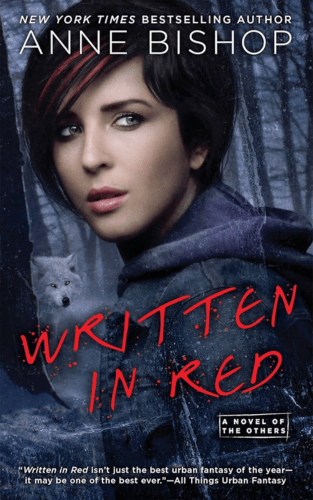
Meg Corbyn is not a warrior. She is not powerful in the traditional sense. She is a survivor of captivity learning how to exist in safety for the first time in her life.
This series is about:
- learning boundaries
- discovering self worth
- building community
- and redefining power outside of dominance
It is gentle without being weak.
It is soft without being fragile.
It is one of the best depictions of healing as a process, not a moment.
If you value emotional resilience and quiet strength, The Others is a beautiful fit.
Who Anne Bishop Is For
Anne Bishop is for readers who:
- value emotional depth over speed
- believe recovery is heroic
- can sit with discomfort
- want power with consequences
- and respect that healing takes time
She is for readers who do not need their heroines to be likable, but need them to be real.
Who Anne Bishop Is Not For
Anne Bishop is not for readers who:
- want light romance
- prefer cozy fantasy
- avoid trauma themes
- need banter heavy tone
- or are looking for easy escapism
This is not a judgment. It is a boundary.
Both can exist. Just not in the same book.
Final Word
Anne Bishop does not write women who fit into the world.
She writes women who break it, survive it, and reshape it.
Her work is dark. Her themes are heavy. Her heroines are unforgettable.
If you are drawn to stories of feminine power that is not meant to be comfortable, Anne Bishop belongs here.