
DRM Digital Rights Management and Why You Do Not Truly Own Your eBooks
In my Calibre article, I wrote about stewardship. I explored how I organize my digital library, maintain backups, and think carefully about long term access. That conversation naturally raises a deeper question. What exactly changes when a book becomes a digital file instead of a physical object?
The answer begins with DRM.
What DRM Actually Is
Digital Rights Management refers to the technology publishers and retailers use to control how digital files function. It governs where a book opens, which devices can read it, and whether you can move it between platforms. Although the term sounds technical, it shapes the everyday experience of accessing an ebook.
A printed book creates a simple relationship between buyer and object. When I purchase a paperback, I own that specific copy. I can lend it, annotate it, store it for decades, or sell it if I choose. No company can alter its text or revoke my access. Digital purchases operate under a different structure. When a reader buys an ebook through a platform such as Amazon for use on a Kindle, the transaction grants a license to access a file under specific terms. DRM enforces those terms.
Retail interfaces rarely highlight this distinction. Covers line up in a digital library in ways that resemble a bookshelf. Purchase histories look like collections. The design encourages a sense of permanence. The legal framework remains conditional. A license provides access within boundaries defined by the platform, and the retailer retains authority over formats, distribution methods, and ecosystem rules.
Access Is Not the Same as Ownership
Most readers do not notice the difference between access and ownership because nothing interrupts their experience. The contrast becomes visible only when circumstances change. Devices lose support. File formats evolve. Accounts encounter administrative problems. In those moments, access depends not on possession, but on systems and policies outside the reader’s control.
Publishers rely on DRM to discourage unauthorized copying and to protect revenue that sustains authors and creative teams. That goal carries legitimacy. Writers deserve compensation, and digital files replicate easily. Yet the same mechanism that protects revenue can restrict ordinary use. A reader who has paid for a book may wish to move it between devices, convert it for accessibility, or keep a personal archive. DRM often limits those actions, even though the reader has acted lawfully.
Readers do not object to supporting authors. They object to discovering that their purchase carries structural limits that differ from physical ownership.
Kindle and the Question of Control
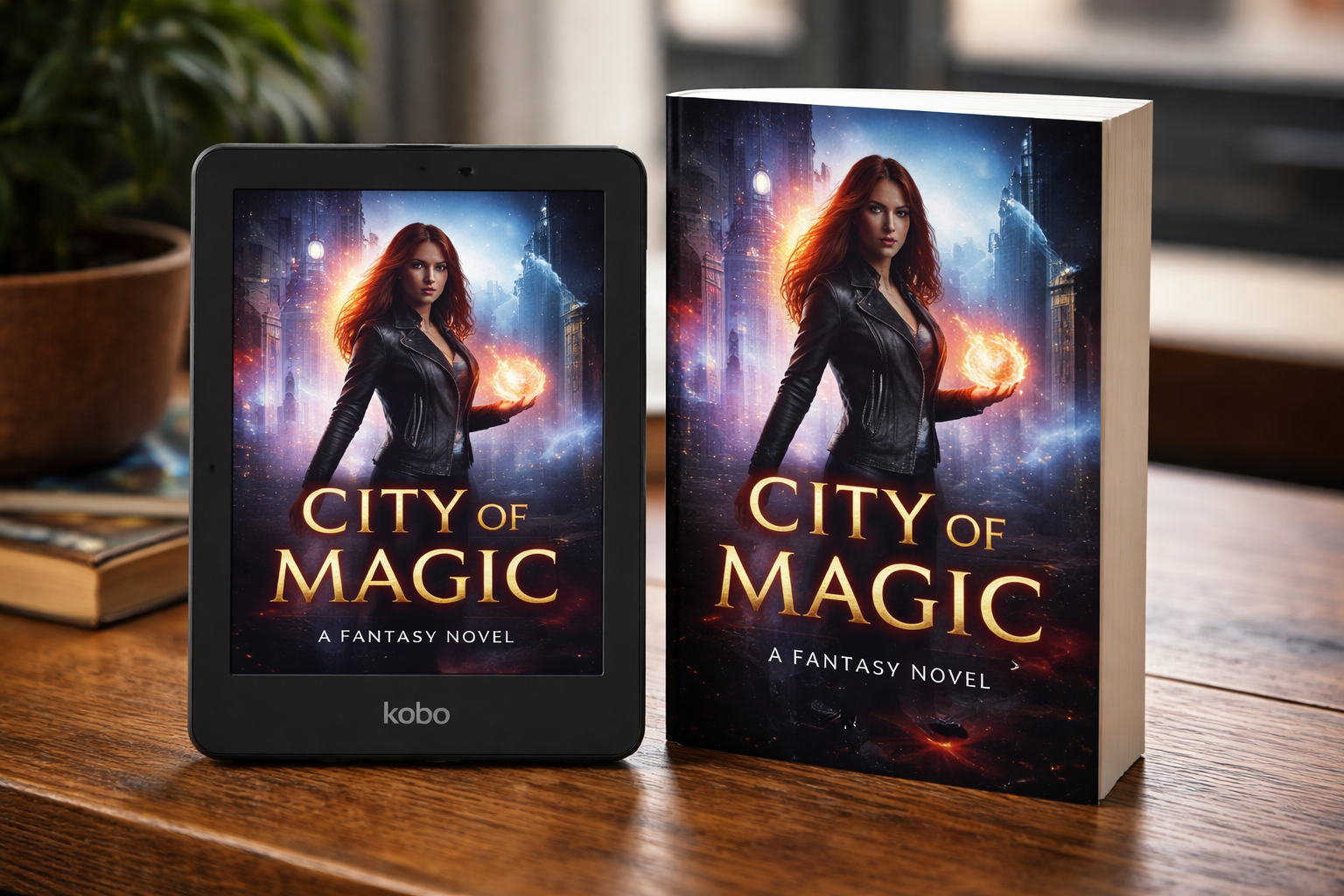
Kindle purchases illustrate how this structure operates in practice. Books bought through Amazon typically arrive in proprietary formats that connect to a specific account and the Kindle ecosystem. Within that environment, the experience feels seamless. Outside it, friction appears. The file resists transfer, conversion, or independent storage without additional technical steps. Those limits reflect deliberate design decisions about containment and control.
The article that follows this one will examine Kindle deDRM in more detail. That discussion builds directly on the framework outlined here. Before considering tools or methods, it helps to understand why those tools become relevant. Once a reader recognizes that an ebook purchase provides licensed access rather than unrestricted ownership, questions about portability and longevity arise naturally.
Choosing Clarity Over Assumption
Debates about DRM often move toward extremes, yet the core issue requires careful thinking rather than reaction. I pay for the books I read. I respect the work behind them. I also acknowledge the structure of what I purchase. A licensed file differs from a owned object, and that difference shapes how I approach my library.
Digital storefronts sell access under conditions. They do not transfer absolute control of a discrete object in the way a physical bookstore does. Recognizing that distinction allows readers to make deliberate decisions about where they purchase, how they store, and what degree of independence they wish to maintain. From that awareness, conversations about Calibre and Kindle file control move from confusion to intention.
Ownership in the Digital Age
Digital reading has changed the way I buy, store, and access books, but it has not changed what I value about them. I still invest in stories. I still curate my library with care. What has changed is the structure behind the transaction.
DRM does not make ebooks illegitimate, nor does it turn retailers into villains. It does, however, redefine ownership in ways that many readers never pause to examine. A licensed file lives inside rules. A physical book lives in my hands. That difference carries practical consequences.
Once I understand that an ebook purchase grants access under conditions rather than unrestricted control, I can decide how much reliance on a single platform feels reasonable. I can choose whether convenience outweighs flexibility. I can determine how I want to safeguard the collection I build.
The purpose of this article does not lie in provoking outrage. It lies in replacing assumption with clarity. When readers recognize the structure of digital ownership, the technical conversations that follow make sense. From that foundation, the next discussion about Kindle deDRM becomes less about reaction and more about informed choice.
Leave a Reply