
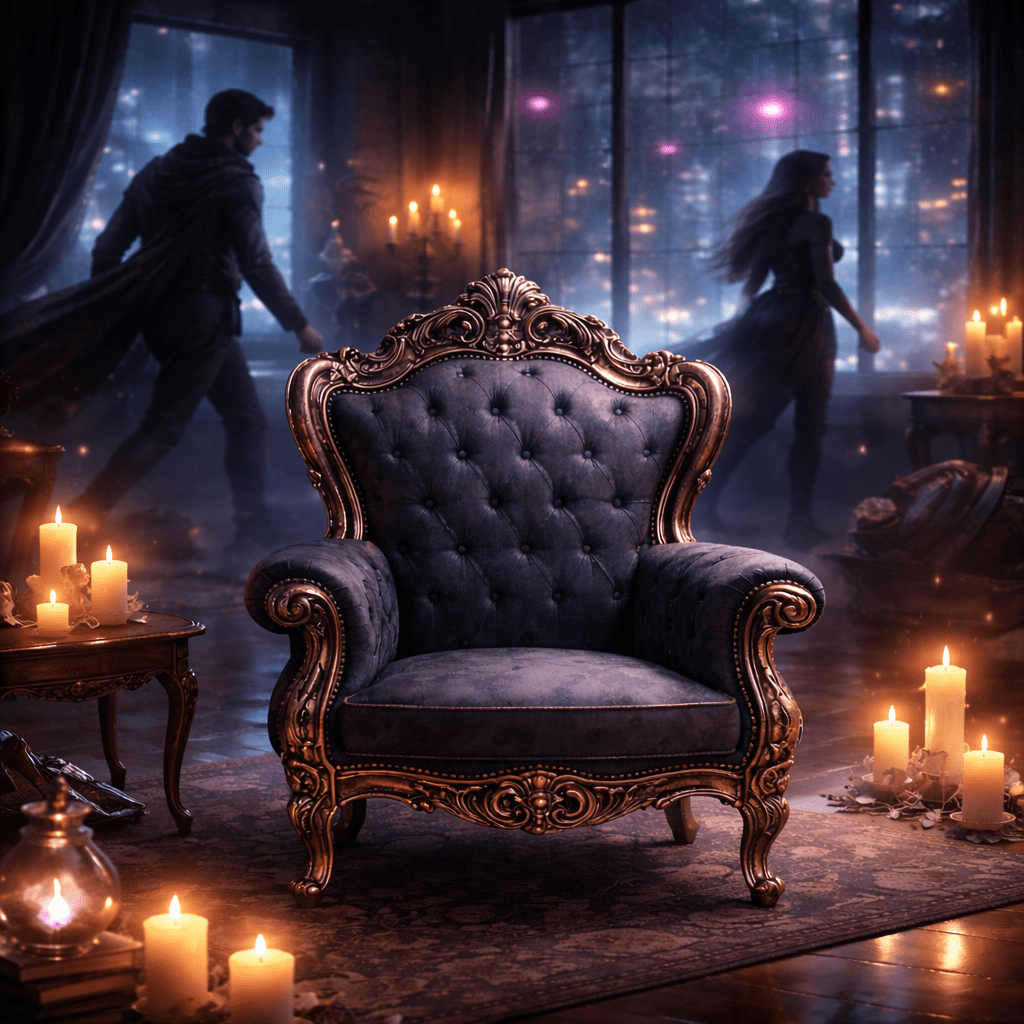
Fantasy romance characters do not walk. Walking feels beneath them. Movement arrives upgraded, emotionally charged, and usually loud. Entering a room involves intent. Leaving one involves fury. Conversations end when someone strides away with enough unresolved feeling to power a small city. The genre has quietly agreed that stillness equals boredom and that emotional intensity must always show up in motion.
That agreement shapes how scenes behave on the page. Instead of letting emotions surface through thought or dialogue, the prose relies on bodies in action and trusts the reader to translate. A stride means confidence. A stalk signals dominance. A storm communicates anger. After enough books, those translations stop feeling expressive and start feeling procedural. When every moment arrives already in motion, movement loses its ability to surprise.
I notice this pattern most when a scene clearly wants to slow down but refuses to allow it. Conversations stretch longer than necessary because no one pauses long enough to think. Characters pace instead of reflecting. Emotional revelations happen mid-stride, mid-prowl, mid-dramatic turn toward the door. Somewhere in the room, a perfectly serviceable chair waits patiently, ignored.
The Curious Disappearance of Chairs
Furniture technically exists in fantasy romance worlds. Taverns have tables. Thrones include armrests. Sofas appear just often enough to confirm that upholstery survived the apocalypse. Actual sitting, however, remains suspiciously rare. Characters hover. They loom. They prowl the perimeter of rooms as if touching a chair would dilute their authority or drain their magic.
When a scene calls for contemplation, bodies keep moving anyway. Characters pace through revelations that would benefit from stillness. Arguments stretch on because no one settles long enough to process what just happened. Emotional beats arrive, swell, and pass without landing, interrupted by another lap around the furniture.
The irony remains hard to ignore. Stillness can sharpen tension instead of dulling it. A character who chooses to sit can signal control rather than weakness, confidence rather than surrender. By banishing chairs from meaningful scenes, the genre trades a powerful storytelling tool for a familiar habit. The result feels louder without actually feeling deeper.
Intensity Does Not Require Perpetual Motion
Constant movement tries to perform emotional labor that clarity should handle instead. When pacing, stalking, and storming become the default, intensity stops feeling earned and starts feeling baked in. The reader registers motion as atmosphere rather than signal, which blunts the very effect the prose wants to achieve.
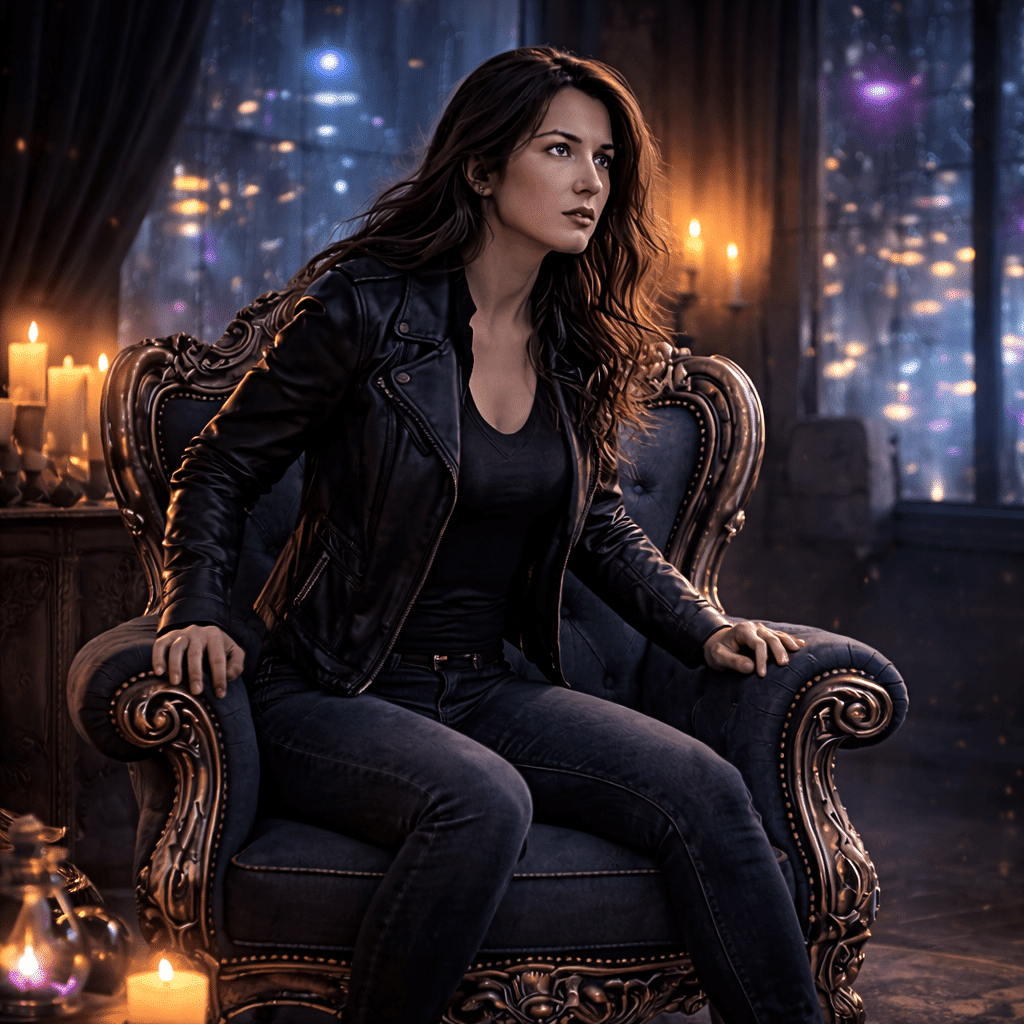
Stillness carries its own weight. A character who remains seated while tension coils around them can dominate a scene without lifting a finger. Silence can press harder than footsteps. A pause can expose fear, resolve, or control more clearly than a dramatic exit timed to the paragraph break. When a story allows space to breathe, emotion has room to settle and linger.
Overuse drains meaning from even the strongest verbs. Striding only matters when walking exists as an alternative. Storming feels powerful only when calm remains possible. When every moment moves at the same speed, emotional range flattens, even when the stakes stay high.
Why I Still Love It Anyway
None of this stops me from reading fantasy romance. It does not even slow me down. Noticing the pattern has simply turned it into a private joke that follows me from book to book. The exaggerated motion has become part of the genre’s texture, a familiar rhythm that signals tone even when it stretches credibility.
These habits also create a shared language between writers and readers. They promise heightened emotion, close proximity, and feelings that refuse to remain contained. No one will ever quietly process their thoughts on a sofa. Everyone will feel everything immediately and physically. Even when I roll my eyes at another dramatic exit, I understand exactly what the author wants me to feel, and most of the time, I am happy to feel it.
Genres collect quirks because they work often enough to stick. The complete absence of chill has become one of fantasy romance’s most recognizable traits. While it sometimes tips into parody, it also signals unapologetic intensity and emotional excess. I may wish someone would sit down once in a while, but I keep turning the pages, fully aware that the next character through the door will almost certainly stride rather than walk.
So No, I Am Not Asking Anyone to Sit Down
This is not a complaint so much as an observation shaped by long familiarity and far too many dramatic exits. Genres repeat themselves because readers return for the same emotional beats, dressed in slightly different language each time. Fantasy romance decided that motion equals feeling and committed to that choice with enthusiasm.
I may crave the occasional pause or a moment of stillness that lets a scene settle, but the lack of chill has become part of the genre’s charm. The constant striding and storming now reads like a shared wink between writer and reader. Emotions arrive at full volume and leave skid marks on the floor. No one will ever calmly pull up a chair to think things through, and honestly, that might be part of the appeal.
Somewhere, a perfectly good chair remains untouched. I keep reading anyway. In my very comfortable chair.
If you start noticing this now and can never unsee it again, I apologize in advance. Feel free to tell me which motion verbs haunt your reading life, or which characters have never once interacted with a chair.

Leave a Reply