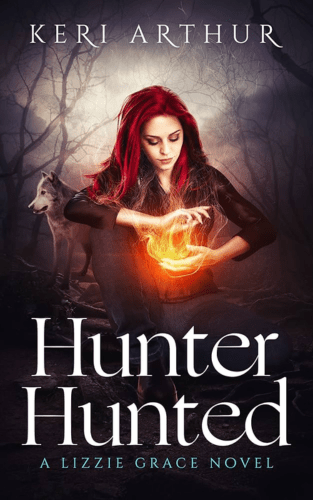
Hunter Hunted by Keri Arthur
Christmas is fast approaching, and Lizzie Grace and her witch familiar, Belle Kent, are hoping it’s going to be a quiet one.
But those hopes are dashed when, on a quest to find a customer’s errant husband, Lizzie comes across the body of a witch and a dark circle of power neither she nor Ashworth can break.
Then werewolves begin to turn up dead—skinned.
As the body count rises, and the hunters become the hunted, it’s evident there’s a new evil in town.
One that is determined to claim the reservation—and the wild magic—for his own.
The Bite Breakdown:
Quick Verdict
This installment sharpens both the stakes and the moral divide, turning long standing prejudice into something brutally personal. I found it darker, angrier, and more emotionally charged than earlier entries, with consequences that finally refuse to stay theoretical.
At a Glance
- Genre: Urban Fantasy
- Subgenre: Paranormal Romance, Supernatural Politics
- Trope: Prejudice With Consequences
- Series: The Lizzie Grace Series Book 3; Lizzie Grace Universe Book 3
- POV: First Person
- Romance Focus: Low to Medium
- Tone: Dark, tense, morally confrontational
The Premise (No Spoilers)
In Hunter Hunted by Keri Arthur, Lizzie Grace finds herself caught in the fallout of choices that were never truly hers to begin with. The uneasy truce between witches and werewolves continues to fracture, fueled by old prejudice, unresolved blame, and the lingering damage caused by keeping guardian witches away from the magic wellspring. This time, the cost is not abstract or political. Members of the werewolf packs are being targeted and murdered with shocking brutality, forcing everyone involved to confront the reality of what they helped create.
As Lizzie investigates the killings, the tension between witches and wolves grows sharper rather than softer. Neither side wants to fully accept responsibility, and the anger often lands on the wrong people, particularly witches who had no part in the original decisions. Lizzie remains stuck in the middle, trying to protect lives while navigating resentment, fear, and a rapidly escalating body count that makes neutrality impossible.
This book also digs deeper into the nature of wild magic and Lizzie’s uneasy connection to it. She should not be able to wield it at all, yet she does, clumsily and often dangerously. That lack of mastery matters. The magic does not make her powerful in a clean or empowering way. It makes her vulnerable, reactive, and forced to learn through consequences rather than control. As book three of The Lizzie Grace Series, this entry clearly marks a turning point where long running conflicts stop simmering and start burning openly.
What Worked
I loved how personal the conflict becomes here. The violence against the packs strips away any illusion that this is just about ideology or grudges. Lives are being lost, and the story refuses to let either side hide behind history as an excuse. That choice gives the book real emotional weight and pushes the narrative into darker, more uncomfortable territory.
Lizzie’s relationship with wild magic is another standout. Her inability to fully control it feels intentional rather than frustrating. Every use comes with risk, mistakes, and visible fallout, which keeps her grounded and human despite the growing scale of the threat. I appreciated that the story lets her be inexpert and overwhelmed instead of suddenly competent because the plot demands it.
What Didn’t Work (or Might Not)
This is not a subtle book. The anger between witches and werewolves is loud, repetitive, and often ugly, which may feel heavy handed for readers who prefer nuanced diplomacy over open hostility. The blame circling can feel relentless, especially when characters dig in rather than evolve quickly.
The pacing also leans uneven at times. The investigation threads move fast, but the emotional processing lags behind, which can make certain confrontations feel abrupt rather than fully unpacked. Readers looking for tidy resolutions may find this installment deliberately unresolved.
Romance and Relationship Dynamics
Romance remains a secondary thread, shaped more by trust, tension, and shared danger than overt intimacy. Emotional bonds matter here, but they are constantly strained by loyalty conflicts and opposing allegiances. I liked that the story never pretends romance can fix systemic hatred or smooth over violence. Relationships exist within the mess, not above it.
- Violence and murder
- Graphic threat and injury
- Prejudice and systemic discrimination
- Emotional trauma
Who Should Read This
This book is a strong fit for readers who enjoy urban fantasy that tackles prejudice head on and allows consequences to land hard. If you like heroines who make imperfect choices, struggle with power they did not ask for, and stay morally engaged even when everyone around them is angry, this will work well for you. Readers seeking lighter paranormal adventure or romance forward storytelling may find this too intense.
Final Verdict
Hunter Hunted by Keri Arthur is where the series stops circling its themes and starts cutting into them. I came away unsettled but invested, which feels intentional. The emotional aftertaste is sharp, and the story clearly signals that Lizzie’s world is changing in ways that cannot be undone.
Overall Rating: 4 Stars
This is a darker, more confrontational installment that deepens the series and refuses easy answers.
Heroine Strength: 4 Crowns
Lizzie remains imperfect, reactive, and stubbornly compassionate, carrying agency even when she lacks control.
Spice Level: 1 Flame
Romance stays restrained and secondary, with intimacy largely off page and easily skippable.
This series has officially crossed into heavier territory, and I am committed to seeing where Lizzie’s path leads next!
The Truth Behind the Killings
The central mystery in Hunter Hunted by Keri Arthur reveals that the murders targeting the werewolf packs are not random acts of violence but a calculated escalation tied directly to the long standing exclusion of guardian witches from the magic wellspring. The killer exploits that fracture, using wild magic as both a weapon and a message. By attacking pack members, the violence forces the wolves to finally feel the cost of decisions they once justified as necessary or unavoidable.
Lizzie’s involvement becomes increasingly personal as her connection to wild magic deepens. She is able to sense and interact with it in ways that should be impossible, but that ability comes at a price. Each use is unstable and dangerous, reinforcing that her power is not a gift she controls but a force she survives. Her actions ultimately expose how badly the balance between witches, wolves, and magic itself has been damaged.
The resolution does not offer clean closure. While the immediate threat is stopped, the underlying conflict remains raw and unresolved. Trust between witches and werewolves is further strained rather than repaired, and Lizzie is left with the knowledge that her role in this world is becoming more dangerous and more central. The ending makes it clear that the consequences of past prejudice are far from finished, setting the stage for even greater fallout ahead.



Leave a Reply